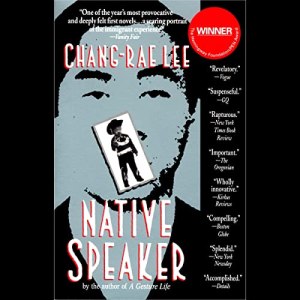
The research I did for my master’s and doctoral studies was about « the native speaker. » More specifically, I wondered if native speakers of a language were better teachers of that language than non-native speakers. While I was studying, I was also working as a language teacher. First, I taught French—my « native » language—to university students, and then I taught English, ESL—my « non-native » language—to pre-university students. I found out, through my work and my studies, that it’s much easier to teach a non-native language. It was easier for me to teach English than French because I had learned English myself and therefore understood the difficulties of the language and knew all of its rules.
(What’s even more interesting is that I had learned English as a francophone, so I could understand the difficulties faced by students whose first languages were Indo-European. Now that I’m learning Japanese, I see a whole new side of how difficult a second language can be when it’s so completely different from your first language!)
Anyway, this book talked about a Korean-American spy: his life, his job, his family, his feelings about being Korean-American (living in New York), his cultures, his languages, and his understanding of the world. There were very interesting parts, with rich discussions about culture and identity, but I found that sometimes the book was a bit all over the place. In addition, the real story happens only in the last few chapters, so I felt that it was a long book with a very, very long introduction. Also, it was difficult to know if this Korean-American man was the « good guy » or the « bad guy » in the story. So overall, it was an interesting but long book that I would recommend to people who love reading about identity, cultures, historical clashes between cultures in the US, and the difference between good and bad.


Thank you for this post which reminds me of your former blog. As you know, I carry on missing it.
J’aimeJ’aime
And I miss it, too 🙂
J’aimeJ’aime